Dr. Lisa Funnell
Award-Winning Author | Media Educator & Consultant | “Dr 007” | Director of Communications, G-Woman Media

Licence to Grieve: The Long Memory of James Bond
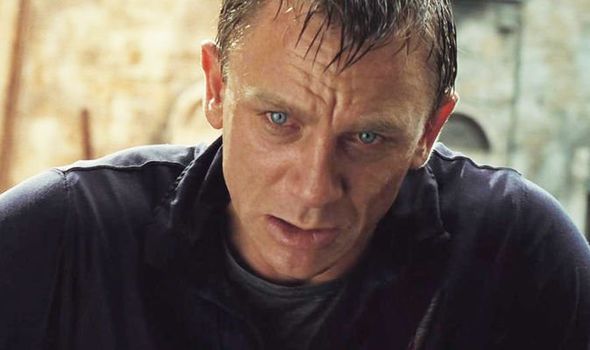
James Bond is often remembered as cinema’s ultimate stoic. He kills without hesitation, survives impossible odds, and moves seamlessly from one mission to the next. Death is an occupational hazard in the world of 007, and Bond is frequently criticized for appearing emotionally detached from the violence that surrounds him. His ability to compartmentalize has become synonymous with professionalism, resilience, and a particular model of cinematic masculinity.
Yet this popular perception overlooks one of the franchise’s most enduring emotional threads: grief. James Bond does grieve, but unlike many action heroes, he rarely leaves that grief behind. Rather than expressing loss through emotional monologues or overt displays of vulnerability, Bond mourns through memory, ritual, silence, and action. Across more than sixty years of storytelling, the Bond franchise repeatedly returns to its defining losses, allowing grief to accumulate rather than disappear. In doing so, grief becomes one of the series’ primary mechanisms of emotional continuity, linking otherwise episodic adventures across multiple actors, creative teams, and generations of audiences.
Tracy di Vicenzo: The Beginning of Bond’s Greatest Loss
If there is one defining moment in Bond’s emotional life, it is the death of Tracy di Vicenzo at the conclusion of On Her Majesty’s Secret Service (1969).
Unlike many Bond women who preceded her, di Vicenzo is given the opportunity to develop into a fully realized character. She challenges Bond, frustrates him, surprises him, and ultimately transforms him. Over the course of the film, audiences witness a relationship built not on seduction alone but on mutual respect, vulnerability, and genuine affection. By the conclusion, the seemingly impossible has happened: James Bond has fallen in love.
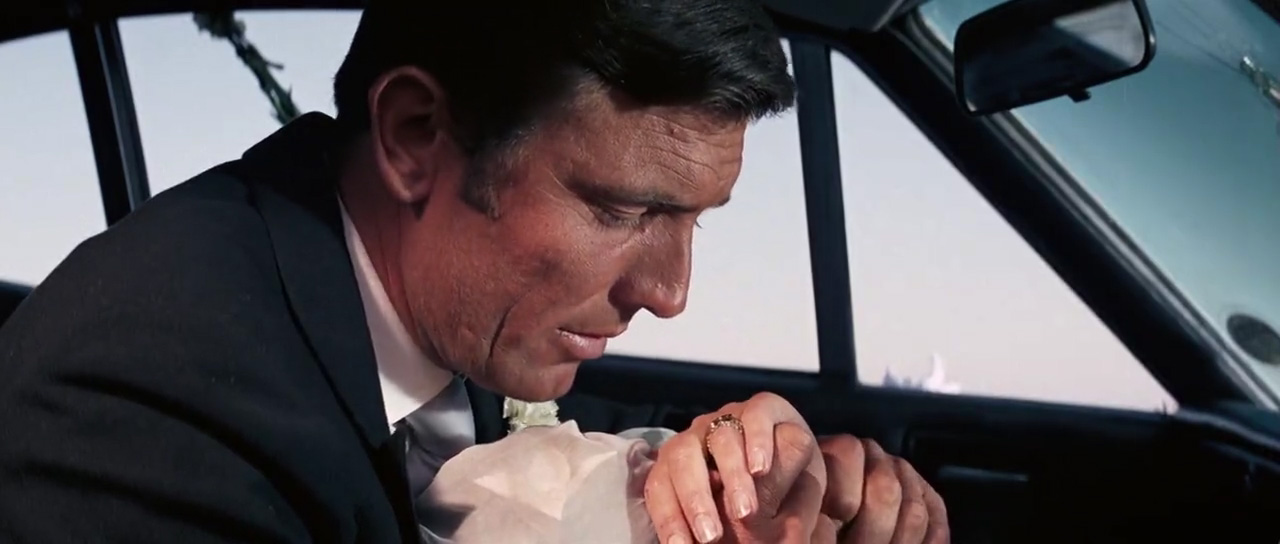
The tragedy of di Vicenzo’s death therefore extends beyond Bond’s personal loss. It becomes a moment of collective grief for the audience. Moments after their wedding, Ernst Stavro Blofeld and Irma Bunt gun down di Vicenzo, leaving Bond to cradle her body and quietly insist, “We have all the time in the world.” The line is devastating precisely because both Bond and the audience know they do not. The emotional power of the scene lies not simply in the death itself, but in the future that has been stolen before it could begin. Bond loses the woman he loves, but he also loses the possibility of marriage, domesticity, and a life beyond MI6.
The Spy Who Never Forgot
Most long-running action franchises would quietly move on from such a tragedy. The Bond franchise does something far more interesting.
More than a decade later, the pre-title sequence of For Your Eyes Only (1981) opens with Roger Moore’s Bond placing flowers on di Vicenzo’s grave. There is little dialogue and no dramatic explanation; Bond simply remembers. The sequence serves as a quiet act of mourning before Blofeld’s sudden reappearance transforms remembrance into resolution. The moment demonstrates that Bond’s grief has not disappeared simply because another mission has begun.
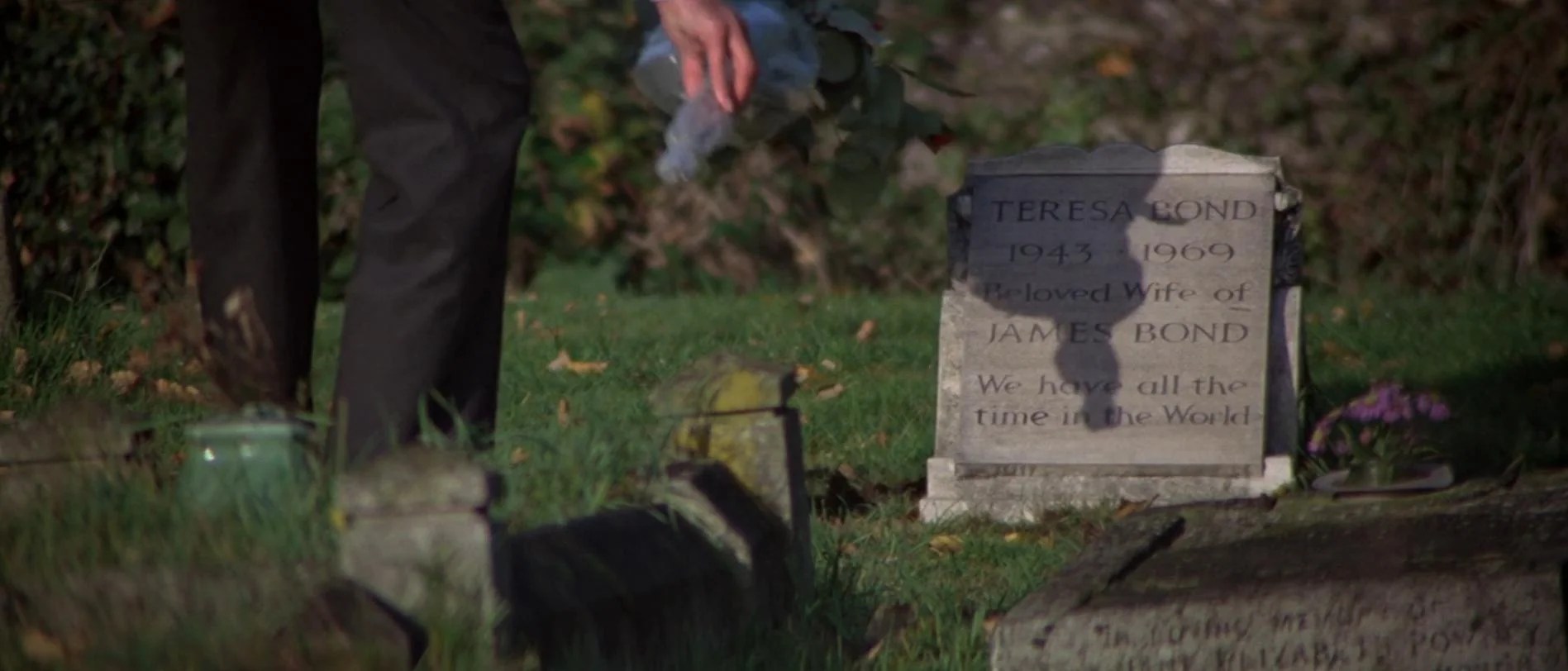
This brief sequence also reveals something remarkable about the franchise itself. Although James Bond is portrayed by a different actor and inhabits an episodic narrative, the films refuse to erase di Vicenzo’s significance. The franchise remembers alongside Bond, reinforcing the idea that some losses continue to shape a character long after the closing credits.
Weddings Become Trauma
Bond’s grief resurfaces again in Licence to Kill (1989), albeit in a far subtler manner. As Felix Leiter and Della celebrate their wedding, Bond appears genuinely happy for his closest friend. Yet his hesitation during the garter tradition hints at lingering emotional discomfort. Weddings no longer represent joyful beginnings. For Bond, they have become inseparable from personal tragedy.
When Della is murdered only hours later, Bond’s decision to abandon MI6’s orders is often interpreted as an act of loyalty toward Leiter. It is certainly that. Yet the violence also reopens Bond’s own unresolved grief over di Vicenzo. Leiter is forced to endure the same unimaginable loss Bond experienced years earlier. Bond’s determination to pursue Franz Sanchez is therefore motivated not only by friendship but by memory. Once again, grief transcends the boundaries of a single film and becomes an enduring part of Bond’s emotional identity.
Craig Makes Grief Visible
If the earlier films express grief through restraint, the Daniel Craig era allows audiences to witness it more directly.
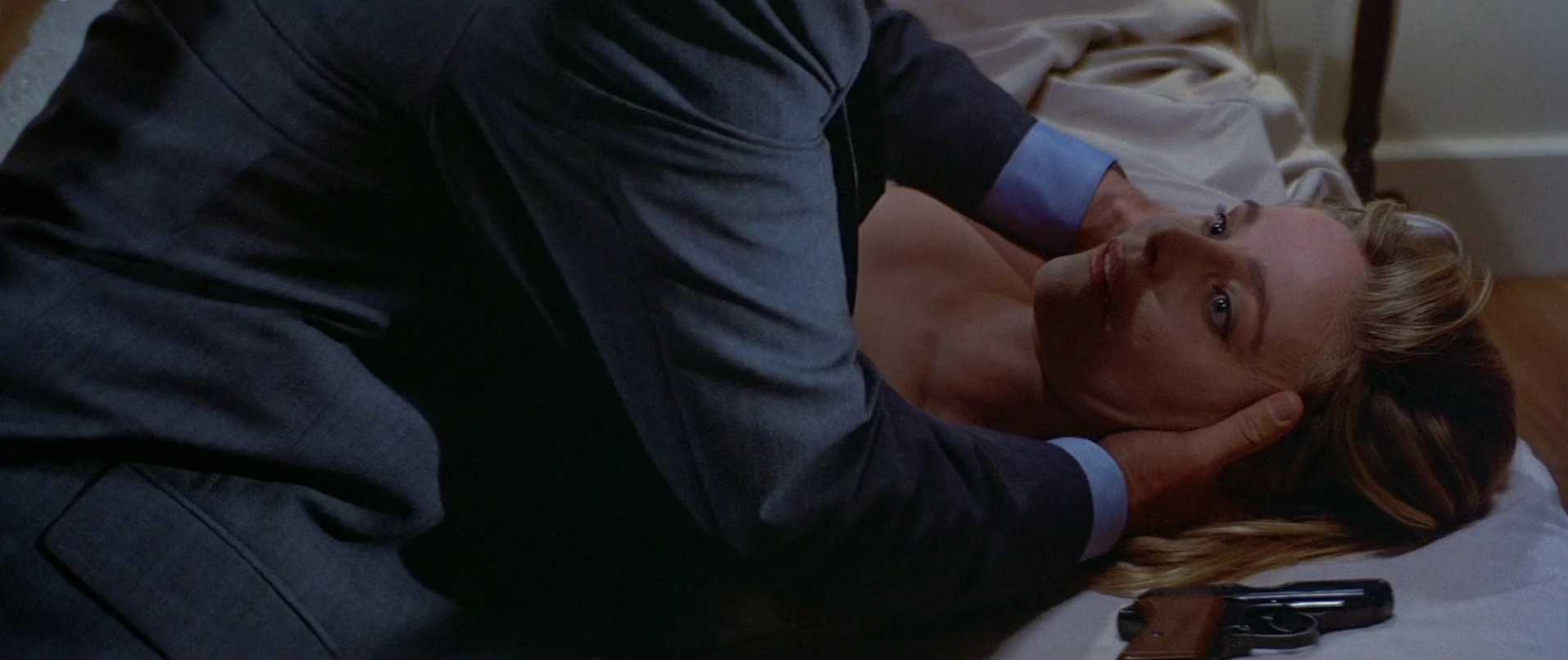
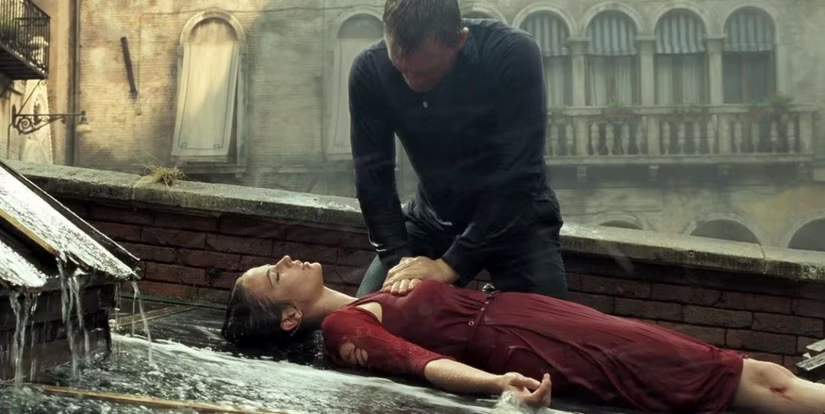
The death of Vesper Lynd in Casino Royale (2006) fundamentally transforms Bond. Holding Lynd’s lifeless body in the flooded elevator, Bond appears utterly devastated. His famous declaration that “the bitch is dead” attempts to project emotional detachment, yet M immediately recognizes it as a defense mechanism designed to conceal overwhelming grief. Rather than disappearing after one film, Lynd’s memory becomes one of the emotional foundations of Craig’s tenure.
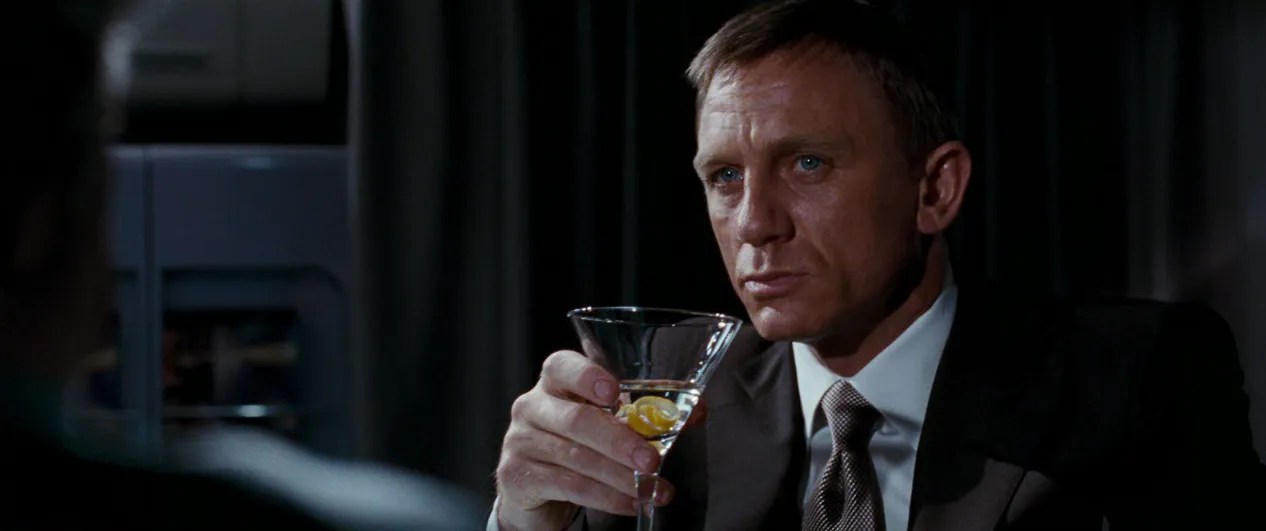
Quantum of Solace (2008) repeatedly reinforces this loss. Bond continues to carry Lynd’s necklace, her musical theme echoes throughout the film, and even the Vesper martini functions as a ritual of remembrance. Bond has not simply lost the woman he loved. He has lost his first great love, his innocence, and perhaps the possibility of leaving the Service altogether. His grief is no longer episodic. It has become serialized.
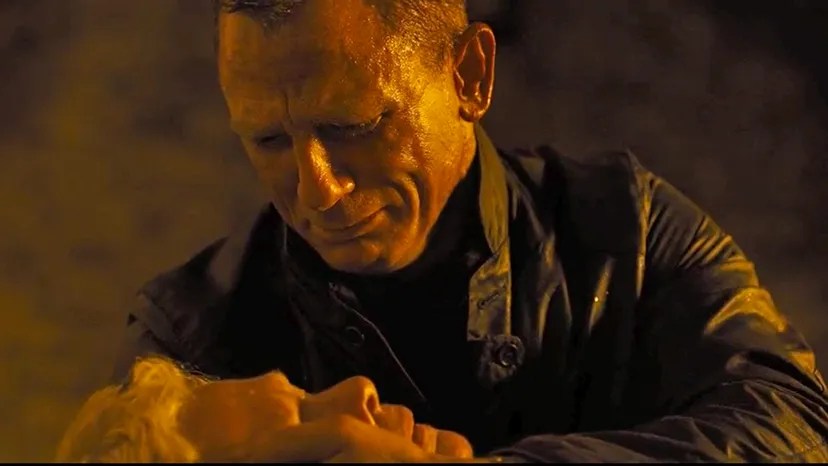
The death of M in Skyfall (2012) expands Bond’s experience of grief beyond romantic love. Their relationship extends well beyond professional obligation into something resembling family. M serves simultaneously as mentor, commander, confidante, and maternal figure. Her death leaves Bond emotionally untethered, a loss that continues into Spectre (2015) through her recorded message, her posthumous instructions, and even the small but meaningful gift of her porcelain bulldog. Once again, Bond’s grief remains active rather than resolved.
Grieving the Future
Perhaps the franchise’s most profound exploration of grief arrives not through the death of another character, but through Bond’s own.
By the conclusion of No Time to Die (2021), Bond has finally discovered something he has spent an entire career believing was impossible: a family. Madeleine Swann and Mathilde offer Bond a future beyond MI6, one defined not by missions but by love, fatherhood, and ordinary life.
Standing atop Safin’s island, Bond realizes that future has become impossible. Infected with nanobots that would kill Swann and Mathilde upon contact, he chooses to remain behind. The emotional weight of this sequence lies not simply in Bond’s impending death but in what he understands he will never experience. He will never watch Mathilde grow up. He will never build a life with Swann. He will never inhabit the ordinary future he has finally allowed himself to imagine.
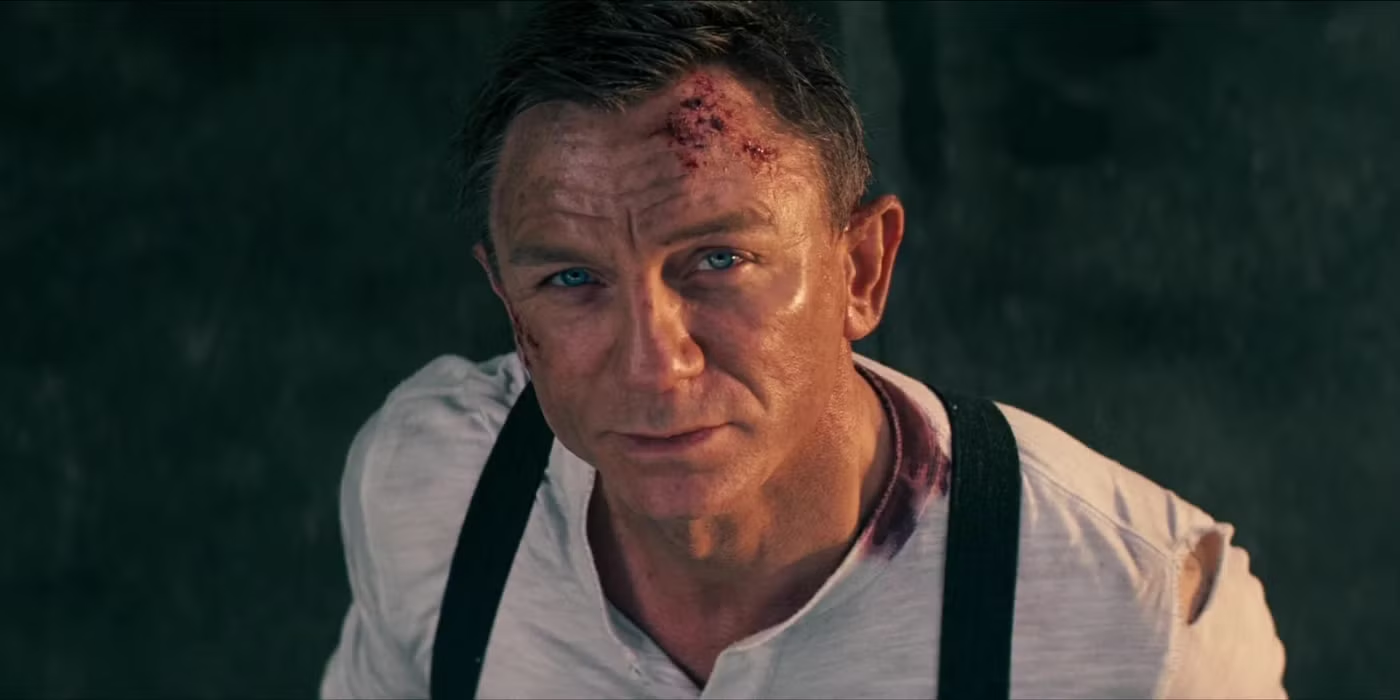
Throughout the franchise, Bond repeatedly grieves the people he has lost. In No Time to Die, however, he grieves something even more devastating: the future he will never have.
Licence to Grieve
James Bond’s enduring appeal has often been attributed to his confidence, resilience, and ability to survive impossible situations. Yet one of his most compelling qualities is not his emotional detachment but his extraordinary capacity to remember. He visits graves, carries keepsakes, returns to unfinished conversations, and quietly honours the people who have shaped his life. His grief does not weaken him. Instead, it deepens his humanity.
More importantly, Bond’s grief provides one of the few consistent emotional threads across an otherwise episodic franchise. While villains change, gadgets evolve, actors are recast, and political contexts shift, the franchise repeatedly returns to its defining losses. Through memory, ritual, and remembrance, James Bond remains emotionally connected to the people—and the futures—he has lost.
James Bond may possess a licence to kill, but across more than sixty years of storytelling, he has also been granted something far more human: a licence to grieve. It is this long memory, carried quietly from one mission to the next, that ultimately makes him one of cinema’s most enduring and emotionally resonant heroes.

