Dr. Lisa Funnell
Award-Winning Author | Media Educator & Consultant | “Dr 007” | Director of Communications, G-Woman Media

10 Notable Women of The Bond Girl Phenomenon
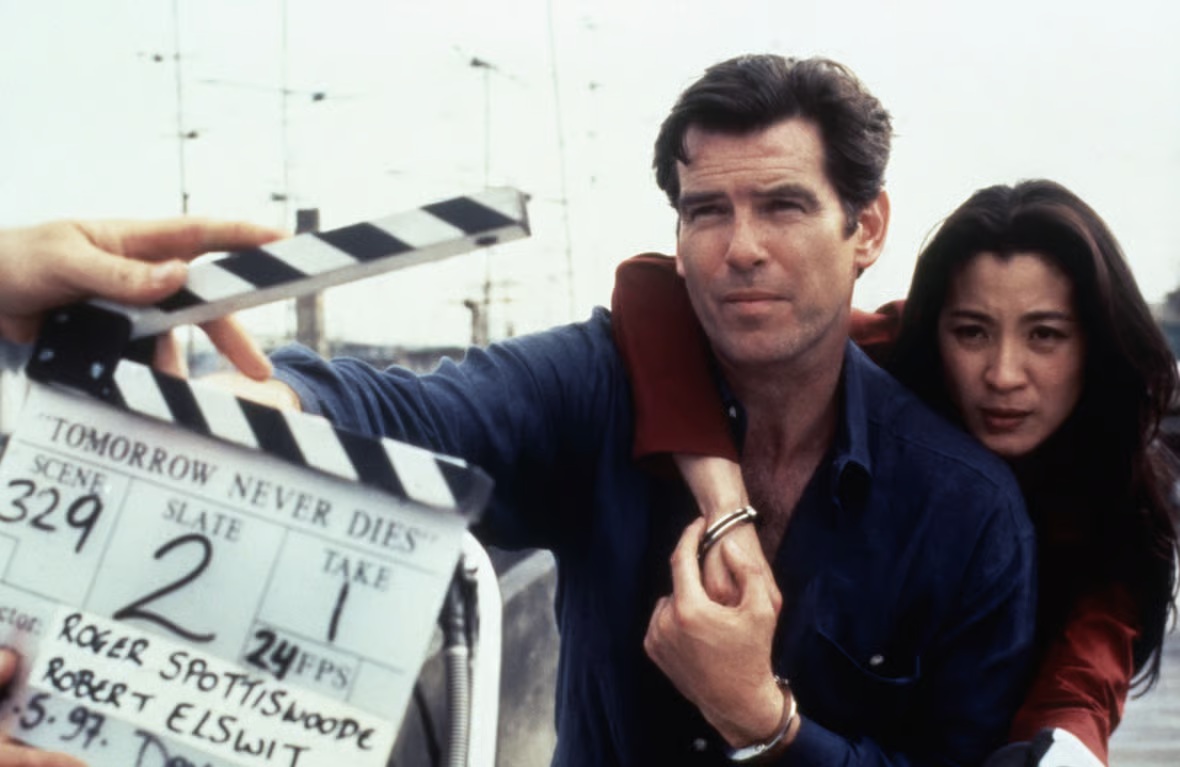
For more than two decades, my scholarship has explored the women of the James Bond franchise—not as accessories to 007, but as complex figures who illuminate changing ideas about gender, heroism, race, sexuality, authority, and power. My forthcoming book, The Bond Girl Phenomenon: From Spectacle to Subject (SUNY Press), traces the remarkable evolution of Bond women across more than 60 years of cinema, arguing that they are central to understanding the cultural legacy of one of the world’s most enduring film franchises.
Rather than ranking the “best” Bond Girls, this list highlights 10 women whose characters fundamentally transformed the Bond universe. Each represents a milestone in the evolution of female representation, revealing how the Bond Girl has progressed from spectacle to subject.
1. Pussy Galore (Goldfinger, 1964)
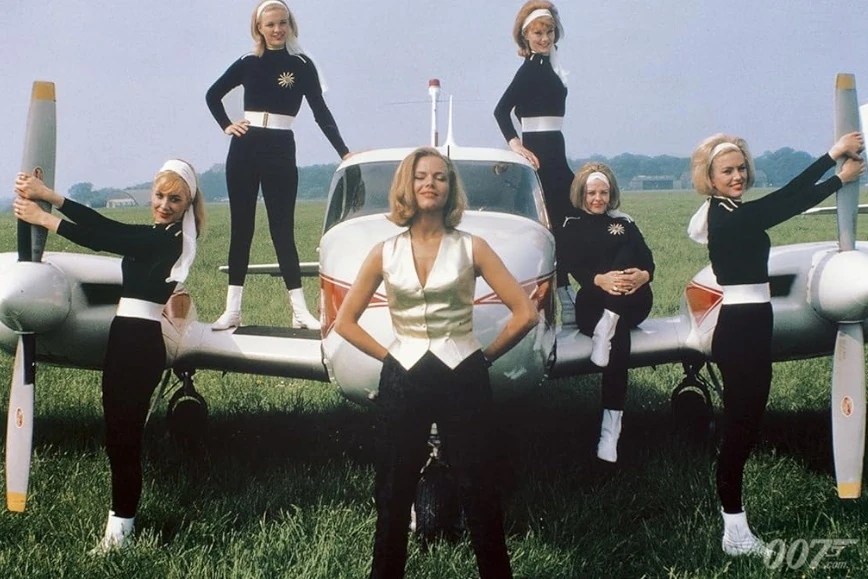
Pussy Galore established one of the franchise’s earliest models of the English Partner. As the leader of an all-female aviation team, she possesses professional authority, strategic intelligence, and skills that rival James Bond’s own. Her character challenged assumptions about women’s roles in early spy films and laid the foundation for future Bond women whose competence extends well beyond romance.
2. Fiona Volpe (Thunderball, 1965)
Fiona Volpe is the prototype for the modern Bond female villain. Intelligent, fearless, and unapologetically loyal to SPECTRE, she rejects redemption and remains one of Bond’s most formidable adversaries. Her confidence, sexuality, and professionalism demonstrate that female power within the franchise can exist independently of Bond’s influence.

3. Tracy di Vicenzo (On Her Majesty’s Secret Service, 1969)
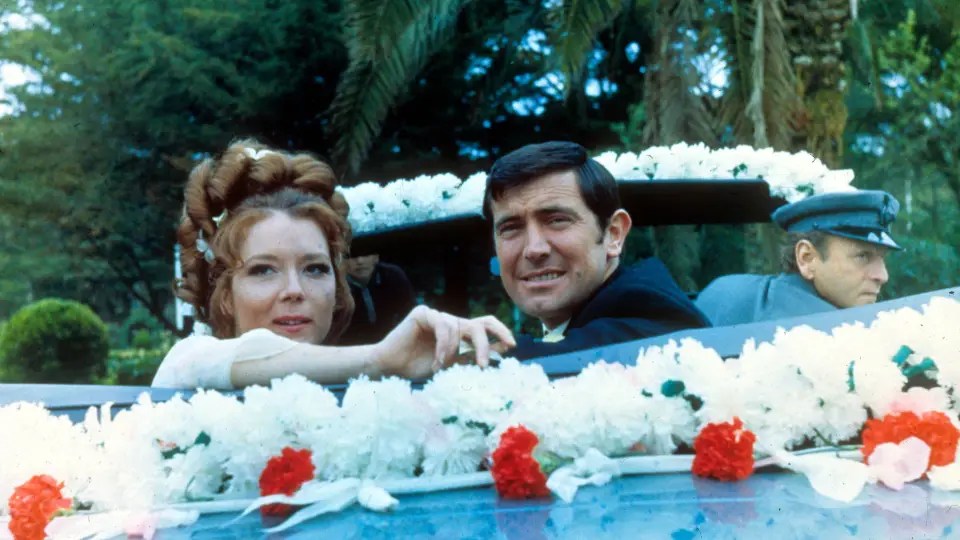
Tracy di Vicenzo is far more than James Bond’s wife. She is his heroic equal and emotional partner, whose courage and compassion permanently reshape his life. Her tragic death reverberates throughout the franchise, making her one of its most influential and enduring characters.
4. May Day (A View to a Kill, 1985)
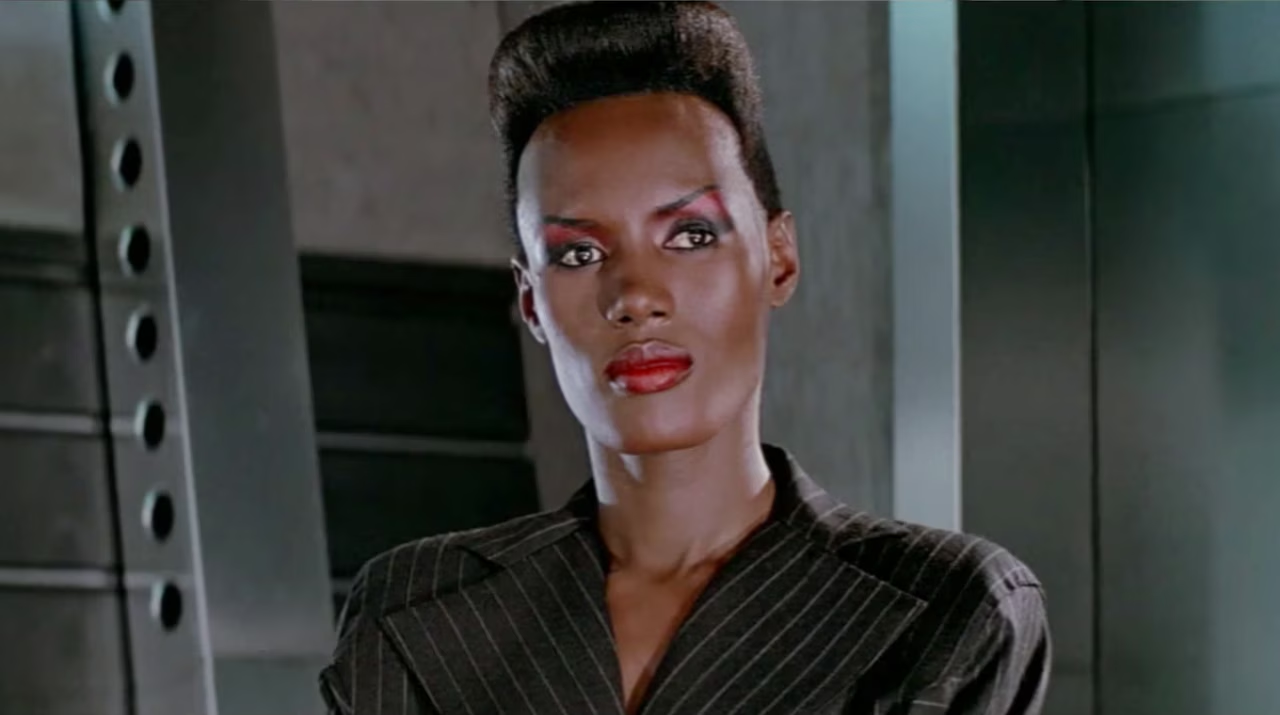
May Day challenged conventional ideas of femininity through her extraordinary physical strength, athleticism, and moral complexity. Initially introduced as a ruthless villain, she ultimately sacrifices herself to save innocent lives, transforming into one of the franchise’s most compelling redeemed antagonists. Her character remains a landmark in discussions of race, gender, and power within Bond cinema.
5. Pam Bouvier (Licence to Kill, 1989)
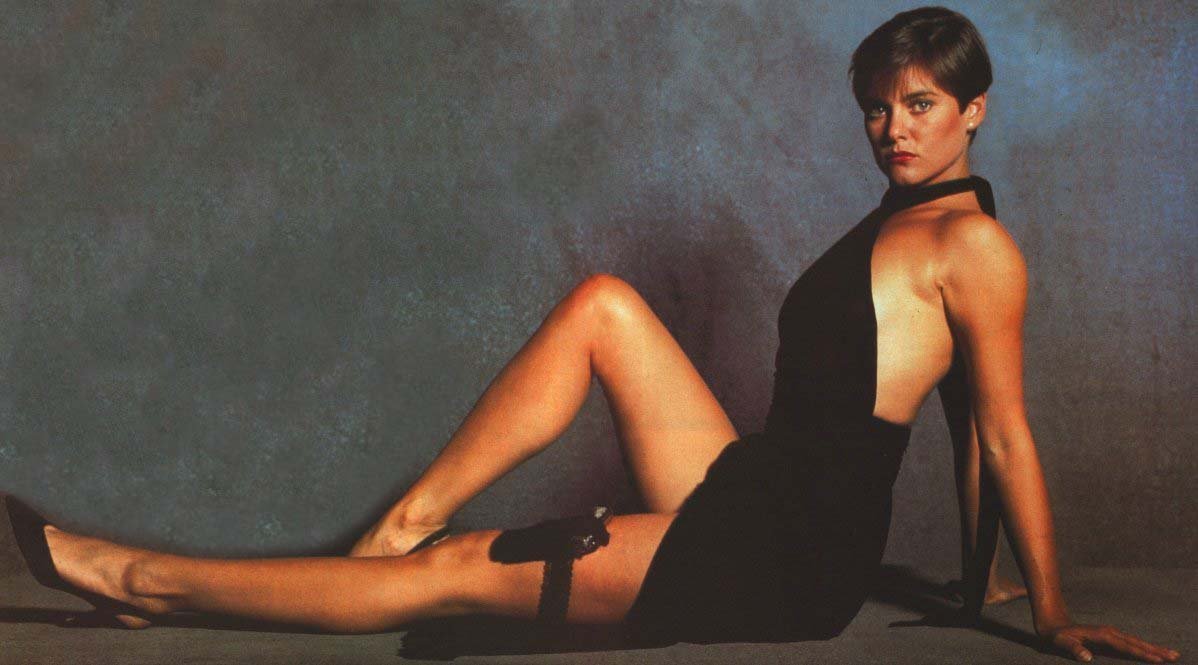
A skilled pilot and intelligence operative, Pam Bouvier helped redefine the Bond Girl as a modern action heroine. Rather than standing on the sidelines, she actively participates in the mission, demonstrating that bravery, competence, and partnership are just as important as glamour.
6. M (Judi Dench) (GoldenEye, 1995)
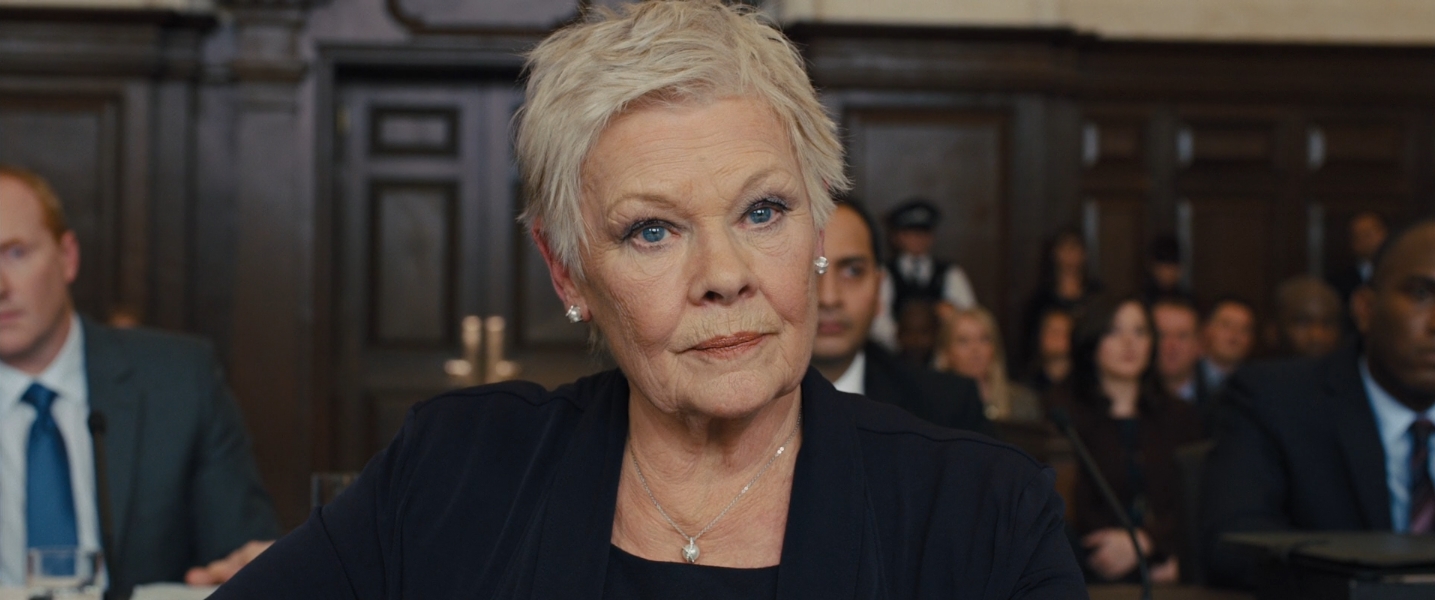
Judi Dench revolutionized the Bond franchise by becoming the first woman to lead MI6. As Bond’s superior, she challenges his methods, questions his relevance, and redefines institutional authority within the series. Her portrayal transformed one of the franchise’s most important leadership roles while reshaping the relationship between Bond and the organization he serves.
7. Wai Lin (Tomorrow Never Dies, 1997)
Wai Lin stands among the franchise’s greatest action heroes. As a Chinese intelligence agent, she consistently matches—and often surpasses—Bond in combat, strategy, and resourcefulness. Her character expanded representations of Asian women while demonstrating that the Bond Girl could be an international action hero in her own right.

8. Elektra King (The World Is Not Enough, 1999)
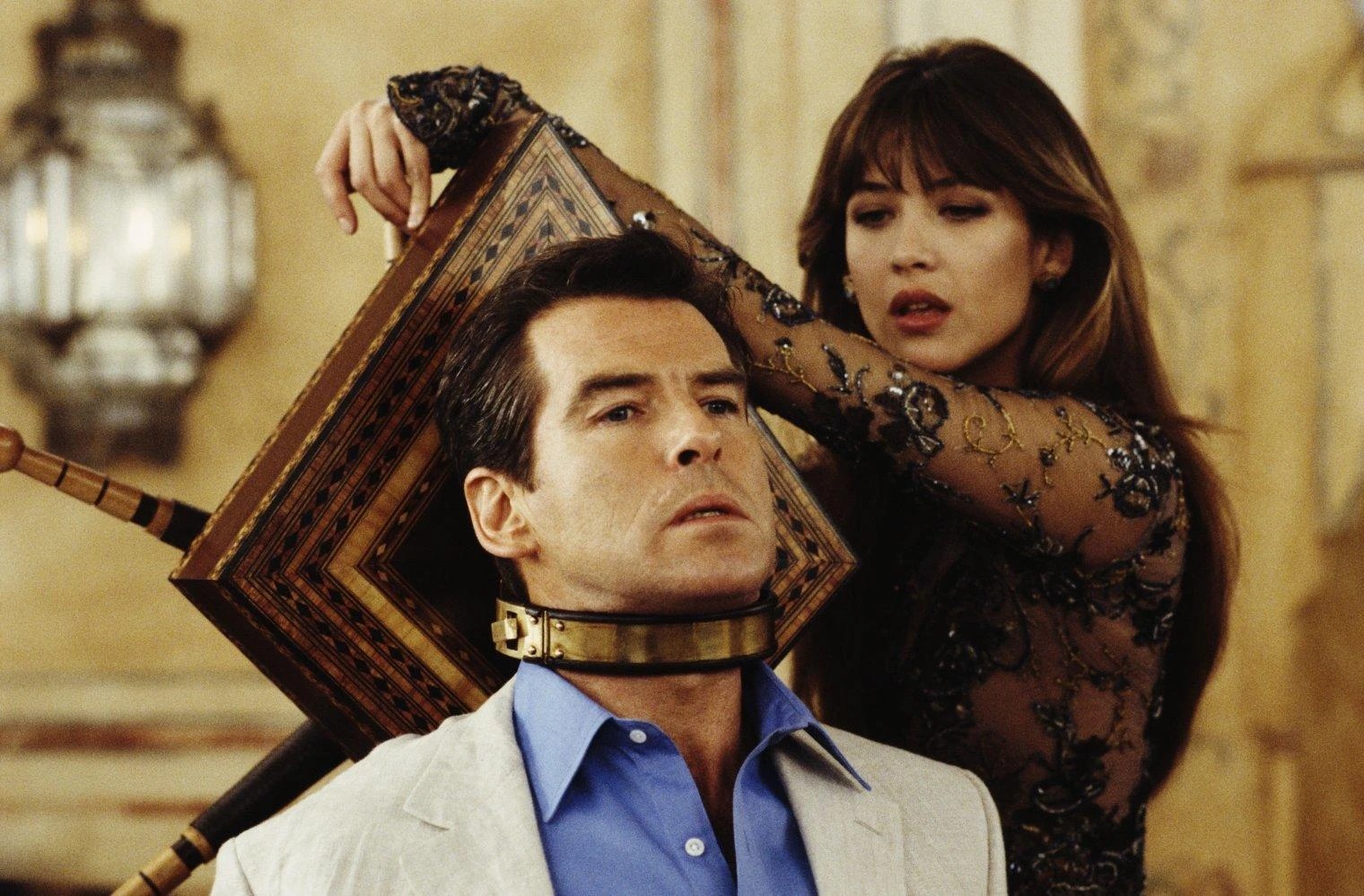
Elektra King is the franchise’s first female arch villain. Introduced as a vulnerable kidnapping survivor, she is ultimately revealed to be the mastermind behind the film’s central conspiracy. By positioning a Bond woman as the principal antagonist rather than a henchwoman or secondary villain, The World Is Not Enough fundamentally reimagines female power within the franchise. Her intelligence, manipulation, and strategic control make her one of the most psychologically complex and influential women in Bond history.
9. Vesper Lynd (Casino Royale, 2006)
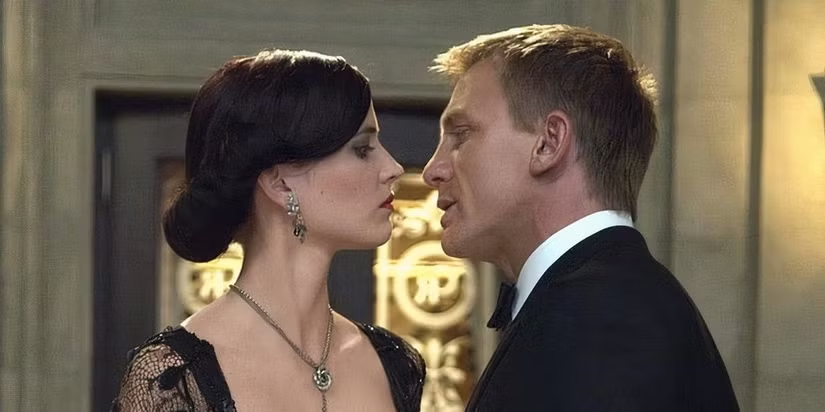
Vesper Lynd transformed both James Bond and the Bond Girl. More than a romantic interest, she occupies the overlapping roles of heroine, victim, and antagonist, becoming central to Bond’s emotional evolution. Her complexity marks a turning point in the franchise and exemplifies the Bond–Bond Girl Hybrid explored throughout my book.
10. Nomi (No Time to Die, 2021)
Nomi represents the latest stage in the Bond Girl’s evolution. As the first woman to hold the 007 designation, she inherits one of popular culture’s most recognizable symbols while prompting new conversations about gender, race, and institutional change. Her character demonstrates that the future of the Bond franchise continues to be shaped by its women.

Why These Women Matter
These ten women represent only a fraction of the remarkable characters examined in The Bond Girl Phenomenon: From Spectacle to Subject. Collectively, they illustrate how Bond women have continually challenged expectations, expanded the boundaries of heroism, and reshaped one of cinema’s most iconic franchises. From Pussy Galore’s professional authority to Nomi’s inheritance of the 007 designation, their stories reveal that the Bond Girl has never been a static figure. Instead, she has continually evolved alongside changing cultural understandings of gender, power, identity, and leadership.
As I argue throughout The Bond Girl Phenomenon, understanding James Bond ultimately requires understanding the women who have defined, challenged, and transformed his world. They are not merely part of the story—they are central to it.

